

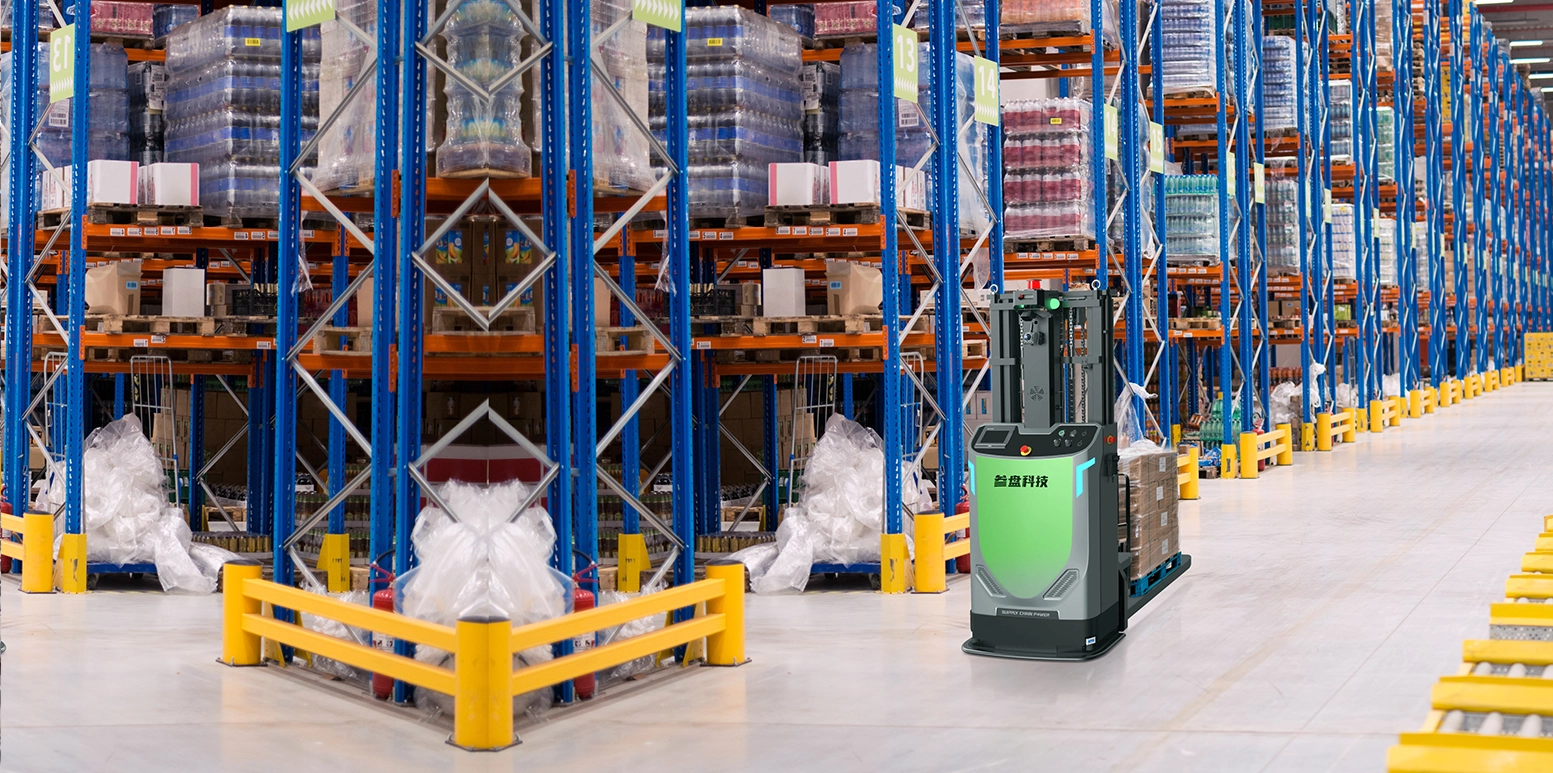
Chengdu, Sichuan Jan 4, 2026 (Issuewire.com) - When global manufacturers and logistics operators search for Top Warehouse Robotics Companies in China, the core question is rarely about whether to automateits about which supplier can deliver reliable robots, usable software, and real operational outcomes across real-world warehouse constraints. Supply Chain Power (SCP)through its SCP Technology portfolio at part of this conversation by combining autonomous material-handling robots with end-to-end supply chain planning and control-tower thinking.
Why Chinas warehouse robotics suppliers are under the spotlight
Across warehousing and cold-chain logistics, the pressure points are familiar: labor volatility, uneven operating standards across sites, and the need to connect upstream and downstream processes with consistent data. Many projects focus on standardizing workflows, improving visibility across multiple warehouses, and making loading/unloading performance measurableso warehousing cost structures can be managed more transparently.
At the same time, warehouse robotics in China has matured beyond single-task automation. Buyers increasingly expect robots to operate in tight aisles, integrate with management systems, and support standardized operating proceduresespecially in food and cold-chain environments where traceability and process discipline matter.
SCP at a glance: supply-chain-first design, backed by software + hardware
Taking actual business needs as the cornerstone, SCP focuses on innovating and enhancing enterprise supply chain planning. The company provides end-to-end supply chain solutions, builds a multi-role and multi-dimensional intelligent supply chain collaboration system, and supports all-round efficient collaboration and process optimization.
SCP states that it has established a product architecture supported by software and hardware, supplemented by top-level supply chain control tower design, aiming to build an agile, flexible, and efficient end-to-end supply chain system for enterprises.
This matters because autonomous pallet trucks and stacker forklifts deliver the most value when they are part of a broader operational systemconnected workflows, consistent data, and repeatable SOPsrather than isolated robots in a corner.
More On Newsinterestcorp ::
- William Demps Releases Provocative Disaster-Horror Graphic Novel Series kindle: Parousia
- Tencent Cloud Supports GoTo in Completing Southeast Asia's Largest Cloud Migration
- Justin Knox of Knox Pest Control Highlights Key Trends Affecting Homes, Health, and Peace of Mind
- “Light in the Dark” Calls Weary Christians Back to Christ as the Only Unshakable Foundation
- The Factory Direct Advantage: Why Source HP Indigo Consumables from Zhongshan Wiseprint
Product focus: autonomous pallet trucks and autonomous stacker forklifts
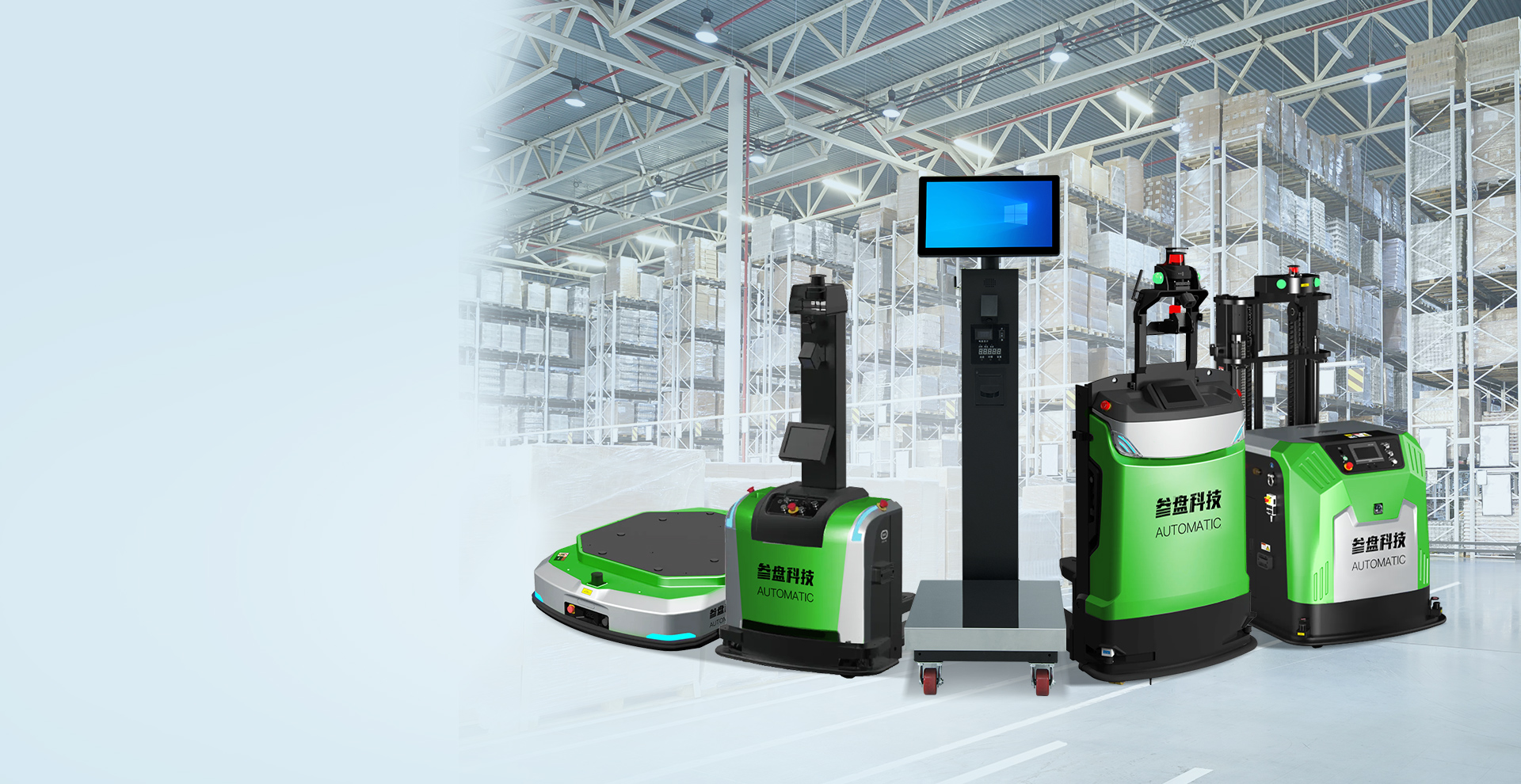
On pallixbot.com, SCP Technology presents a product structure centered on warehouse material handling and intelligent logistics upgrades. Key categories include Pallet Truck, Stacker Forklift, Counterbalanced Forklift, Sorting Scales, and moresupporting different warehouse and plant scenarios.
Autonomous pallet trucks: designed for stable, safe pallet transport
In SCPs pallet truck lineup, Laser SLAM handling models are positioned for pallet movement in warehouses where space, safety, and routing flexibility are critical. Product descriptions emphasize:
Laser SLAM-based mapping and navigation to handle complex environments
Compact design for narrow aisles and tight turns
Obstacle avoidance and pallet handling support designed for everyday warehouse conditions
Configuration flexibility to fit different site requirements
For overseas buyers searching terms like China Top Autonomous Pallet Truck Supplier, the decision usually comes down to operational fit: navigation robustness, safety sensing, maneuverability, and whether the supplier can support integration and rollout discipline. SCPs product positioning aims to align with these evaluation criteria.
Autonomous stacker forklifts: precision stacking for high-density storage
Autonomous stacker forklifts play a key role in high-density storage and narrow-aisle environments. SCPs stacker forklift lineup highlights:
Stable stacking and pallet handling for narrow-aisle operations
Intelligent recognition designed to support consistent pick-up and placement
Safety-focused perception and multi-angle identification features for real-world sites
Customization options to match warehouse layout and storage requirements
This is where the keyword China Leading autonomous stacker forklifts Company fits naturally in an objective discussion: the value is not in the label, but in whether the supplier publishes practical capabilities and supports repeatable deployment in constrained warehouse conditions.
Supporting building blocks: mobile robot chassis and sorting scales
Warehouse robotics projects often succeed or fail on integration and data discipline. In addition to forklifts and pallet trucks, SCP presents supporting components that help build complete solutions:
Mobile robot chassis designed to support agile robotics applications and provide a base for custom automation needs
Sorting scales and related data-capture tools that help improve operational recording, processing consistency, and traceabilityespecially relevant for food and cold-chain workflows
In many supply chain scenarios, robotics is not only forklifts; its also accurate, rapid data capture that supports traceability and process control.
Why SCP is appearing among Top Warehouse Robotics Companies in China
A credible discussion of Top Warehouse Robotics Companies in China typically looks beyond catalogs and asks whether a company can understand business processes, integrate systems, and deliver at the site level.
SCP describes strengths that map to buyer due diligence:
Business-needs-first supply chain planning and optimization mindset
A software + hardware product architecture
Control-tower-oriented top-level design logic for end-to-end operations
Practical delivery emphasis: processes, collaboration, and operational visibility
This combination supports SCPs positioning as a supply chain solution provider that includes robotics as a core enablerrather than offering robotics as a standalone product.
Case-study signals: practical outcomes in food and cold-chain contexts
SCP's case studies are useful because they describe how automation is deployed under real constraintsstandardization challenges, cross-site coordination, and the need for measurable operational performance.
Case 1: Dairy warehousingstandardization and multi-warehouse coordination
In a case involving a leading domestic dairy enterprise, SCP describes typical multi-site warehousing challenges, including standardization gaps, the difficulty of unified control across warehouses, and limited visibility into the true drivers of warehousing costs.
The solution narrative emphasizes laser navigation forklifts, standardized operating procedures, multi-vehicle collaborative operations, and connecting upstream/midstream/downstream processes through management systems for real-time data sharing. Reported outcomes include improvements in warehouse efficiency, reduced outsourcing costs, higher order processing timeliness, and very high picking accuracy.
Case 2: Integrated logistics systemtraceability and reduced loss
In a regional industry base case, SCP highlights issues such as supply-demand connection gaps leading to goods loss, insufficient data recording during acquisition, andcold-chain facilities lacking systematic supportresulting in higher warehousing costs and spoilage risks.
The solution includes an online trading platform to connect production and sales, an agricultural procurement system supported by intelligent sorting scales for accurate recording and lifecycle traceability, and a logistics management approach aligned with standardized loading/unloading procedures and intelligent forklift operations. Reported outcomes include reduced loss rates, lower storage operation costs, shorter order completion cycles, and improved traceability across procurement, sales, and transportation.
Industry direction: from standalone robots to control-tower-driven operations
The broader trend in warehouse automation is shifting from standalone robots toward integrated operationswhere robotics, data capture, and management systems work together. Control-tower thinking reinforces end-to-end visibility, better coordination between roles, and continuous process optimization.
SCPs approach aligns with this direction by framing warehouse robotics as part of a larger end-to-end supply chain systemespecially relevant for industries that require strong traceability and disciplined processes, such as food and cold-chain logistics.
A practical buyer checklist for sourcing in China
If you are evaluating suppliers under categories like China Top Autonomous Pallet Truck Supplier or China Leading autonomous stacker forklifts Company, consider these checks:
Navigation and safety stack: Is the sensing and navigation approach designed for complex environments?
Narrow-aisle practicality: Can the robot operate in your real aisle widths, turn constraints, and storage conditions?
Integration readiness: Is there a credible plan to connect with operational workflows and management systems?
SOP and rollout discipline: Does the supplier support standardized processesnot just hardware delivery?
Relevant case evidence: Are there real deployments in comparable industries such as dairy, food processing, or cold-chain logistics?
Chinas warehouse robotics landscape is crowded, but the suppliers gaining serious attention are those who pair autonomous hardware with system-level delivery and operational clarity. Supply Chain Power (SCP), showcased at https://www.pallixbot.com/, presents itself as one of the Top Warehouse Robotics Companies in China by linking autonomous pallet trucks and stacker forklifts with a software-and-hardware architecture, control-tower logic, and documented applications in food and cold-chain contexts.
Source :SCP
This article was originally published by IssueWire. Read the original article here.
1 month ago